


Organic Farming Practices
Learn the science and art of sustainable agricultural practices

What is Organic Farming?
Organic farming is an agricultural approach that focuses on soil health, biodiversity, and natural ecosystems.
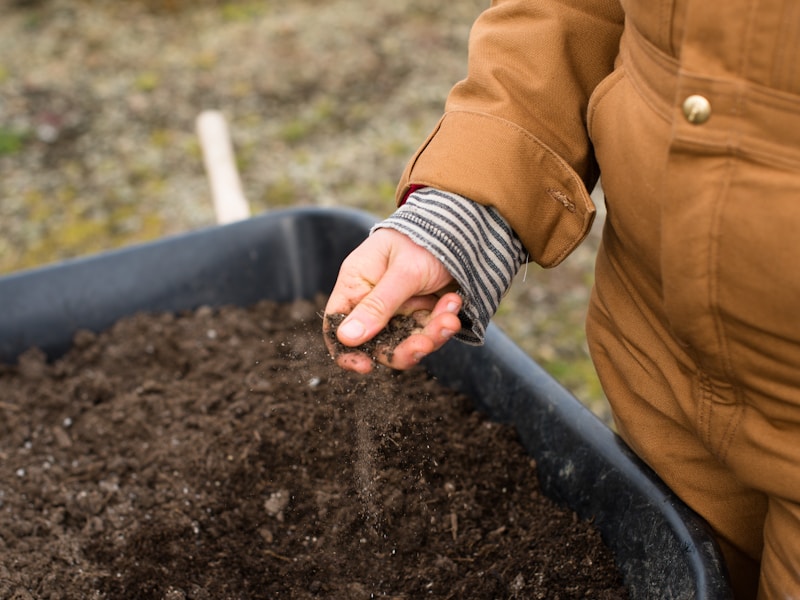
Soil Health
Healthy soil is the foundation of successful organic farming.
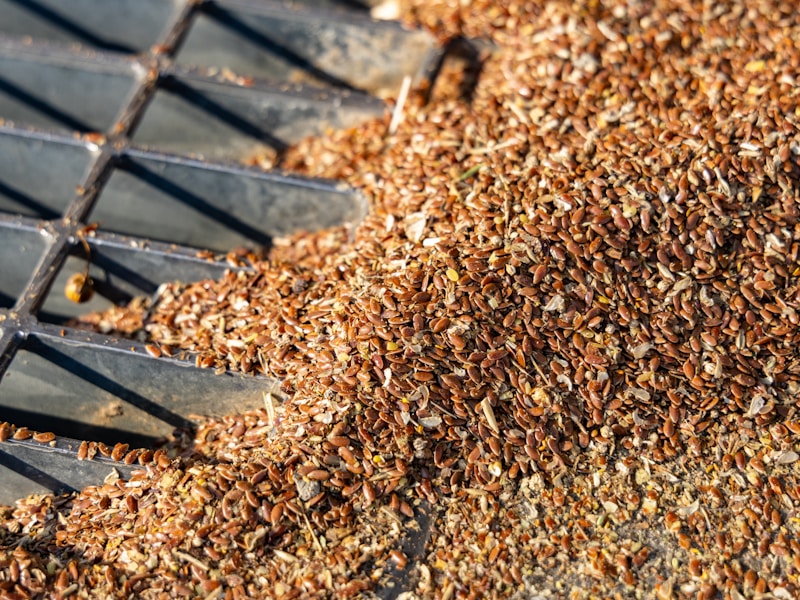
Compost Preparation
Creating nutrient-rich compost from farm waste.

Vermicomposting
Using earthworms to convert organic waste into rich compost.

Natural Pest Control
Managing pests without chemical pesticides.
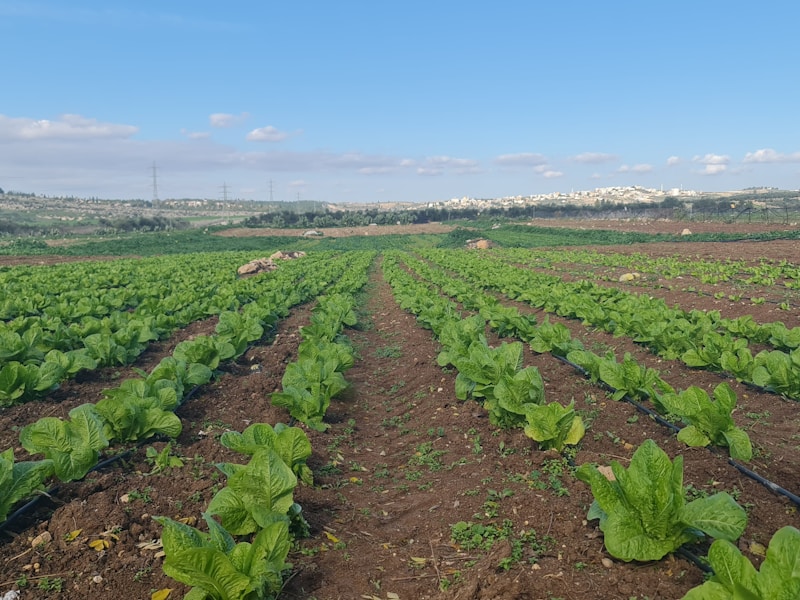
Crop Rotation
Rotating crops to maintain soil fertility and reduce pests.
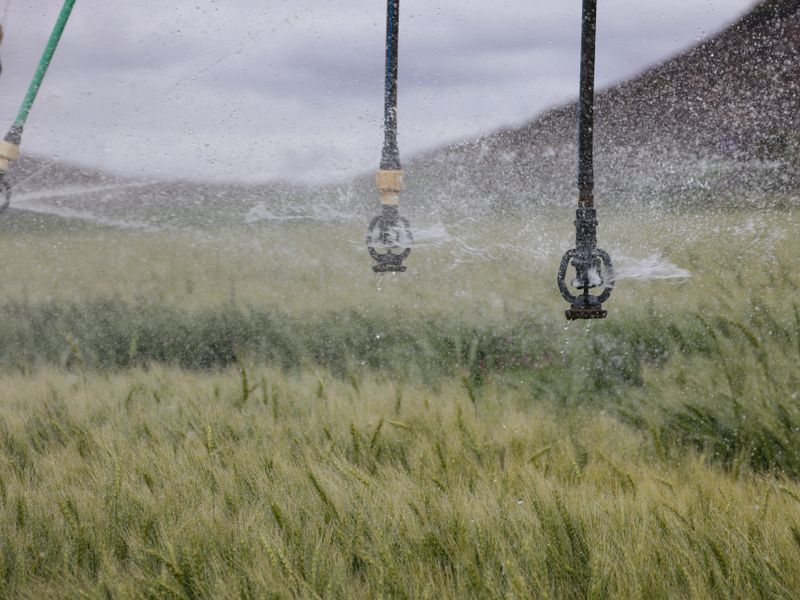
Water Management
Sustainable water management is crucial for organic farming success, especially in regions with water scarcity.
Benefits of Organic Farming
Discover the transformative impact of organic farming practices
Environmental
Reduces pollution, improves biodiversity, mitigates climate change, and protects natural resources.
Health Benefits
Produces nutritious food free from harmful chemicals, supporting better health for families and communities.
Economic Returns
Higher market prices, reduced input costs, and long-term soil sustainability improve farmer profitability.